
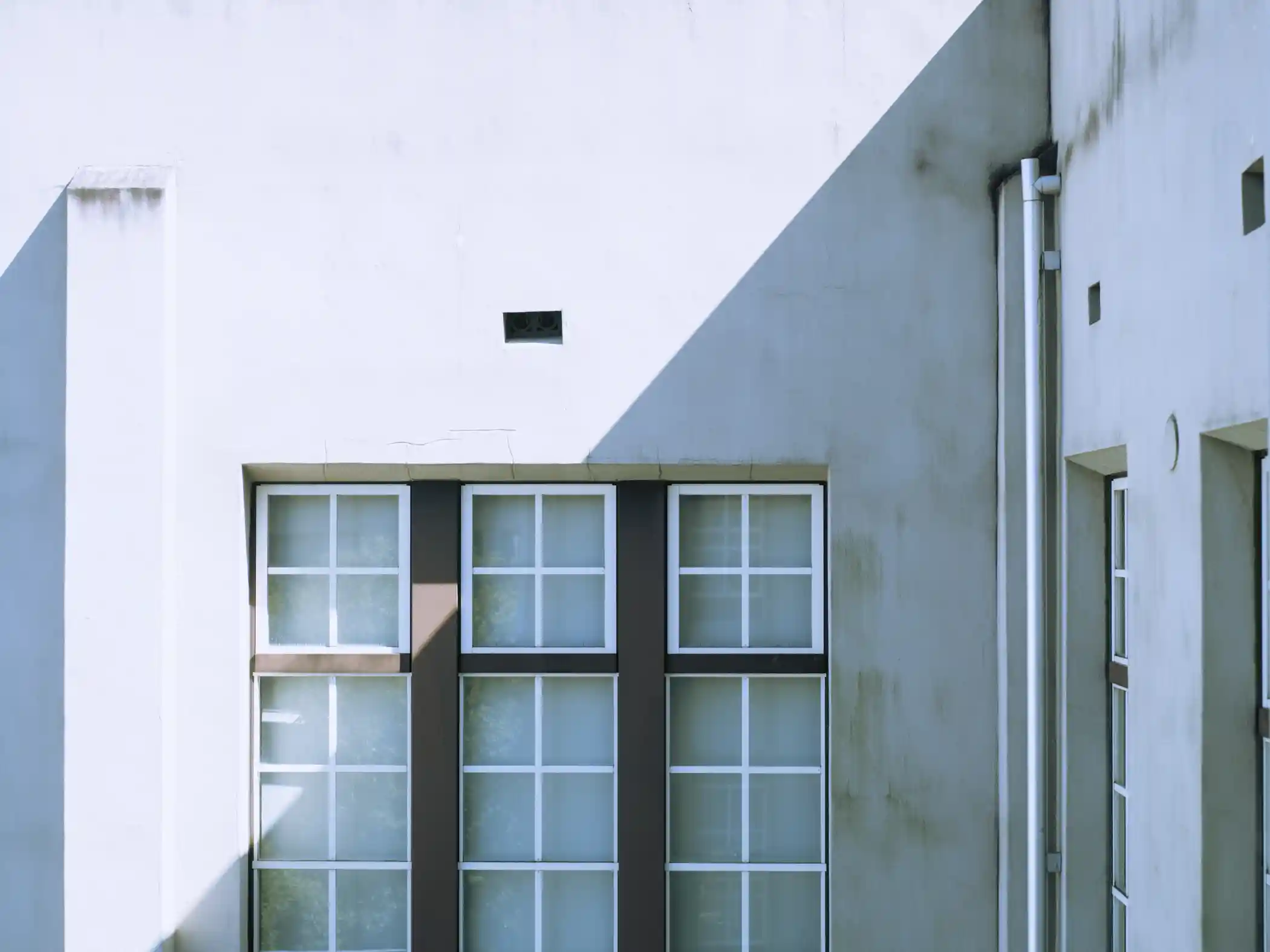

The Former Shimonoseki Telegraph Office Telephone Exchange Building is a telephone office building in Tanakamachi, Shimonoseki, Yamaguchi Prefecture, completed in 1924. The three-story reinforced concrete building was designed by the Building and Repairs Section of the Ministry of Communications (the government ministry that oversaw postal, telegraph, and telephone services at the time). The individual architect is unknown, but it is thought to have been either Yamada Mamoru or Mori Taiji. Designated a Tangible Cultural Property of Shimonoseki City, it has been reborn as the Tanaka Kinuyo Cultural Museum (Shimonoseki City Museum of Modern Pioneers).
From the mid-1920s to the early 1930s, the Ministry of Communications built telephone offices with similar features across Japan, influenced by the Bunriha Kenchikukai*. The Former Moji Post Office Telephone Exchange Building (Moji Telecommunications Museum), across the strait, is one of them, and was completed in the same year, 1924. A century later, the building still shows its modern face on a street corner in Karato.
*Bunriha Kenchikukai (Japanese Secession Architectural Association): A group of architects founded in 1920 by Yamada Mamoru and five other graduates of Tokyo Imperial University (now the University of Tokyo). In response to a Japanese architectural world that had imitated and studied Western historical styles such as the Renaissance and Gothic, they declared a “secession” from the architecture of the past and set out to redefine architecture as an art. It is regarded as Japan’s first modern architecture movement.
Rising vertical lines and the curves of parabolic arches
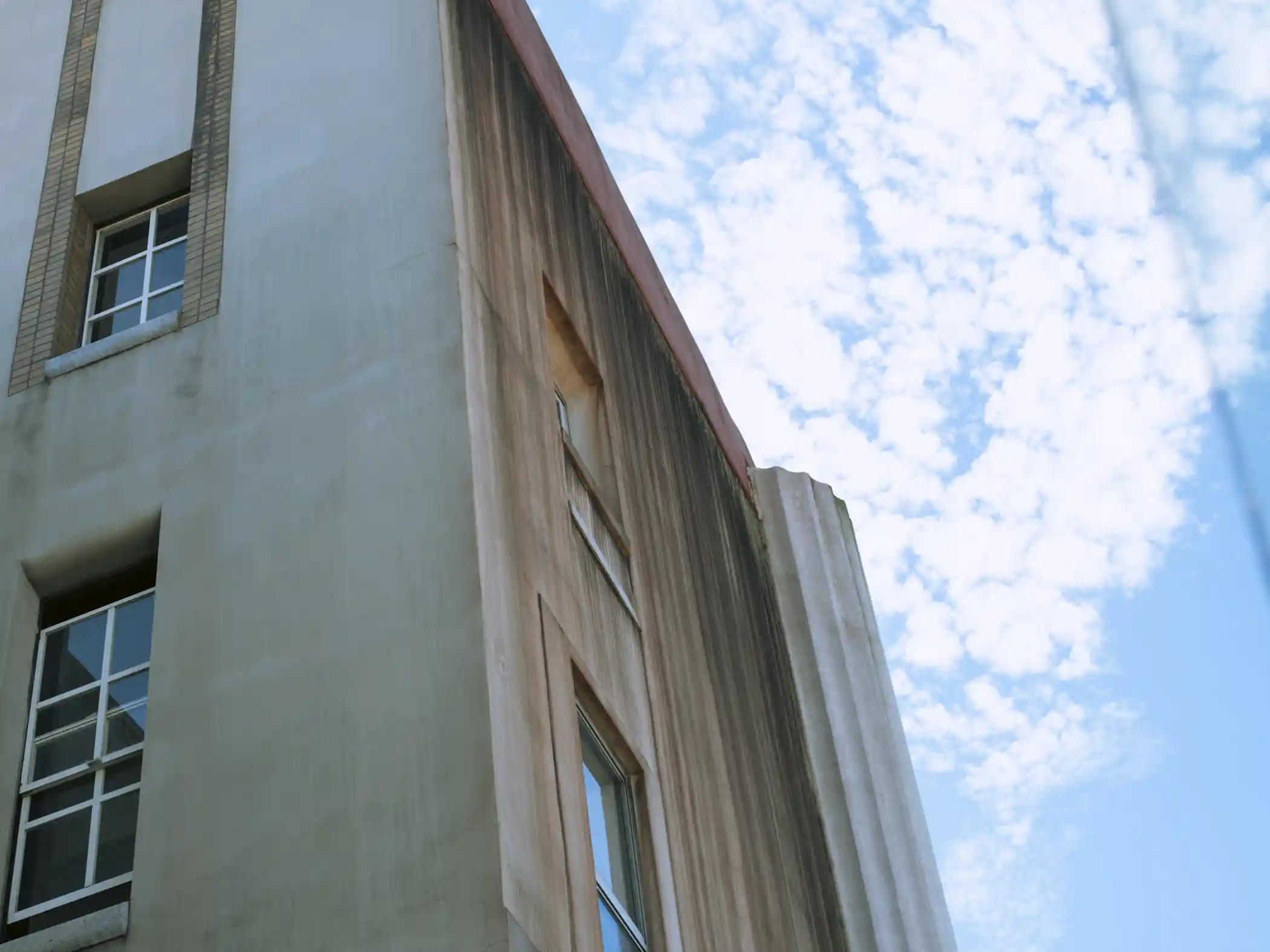
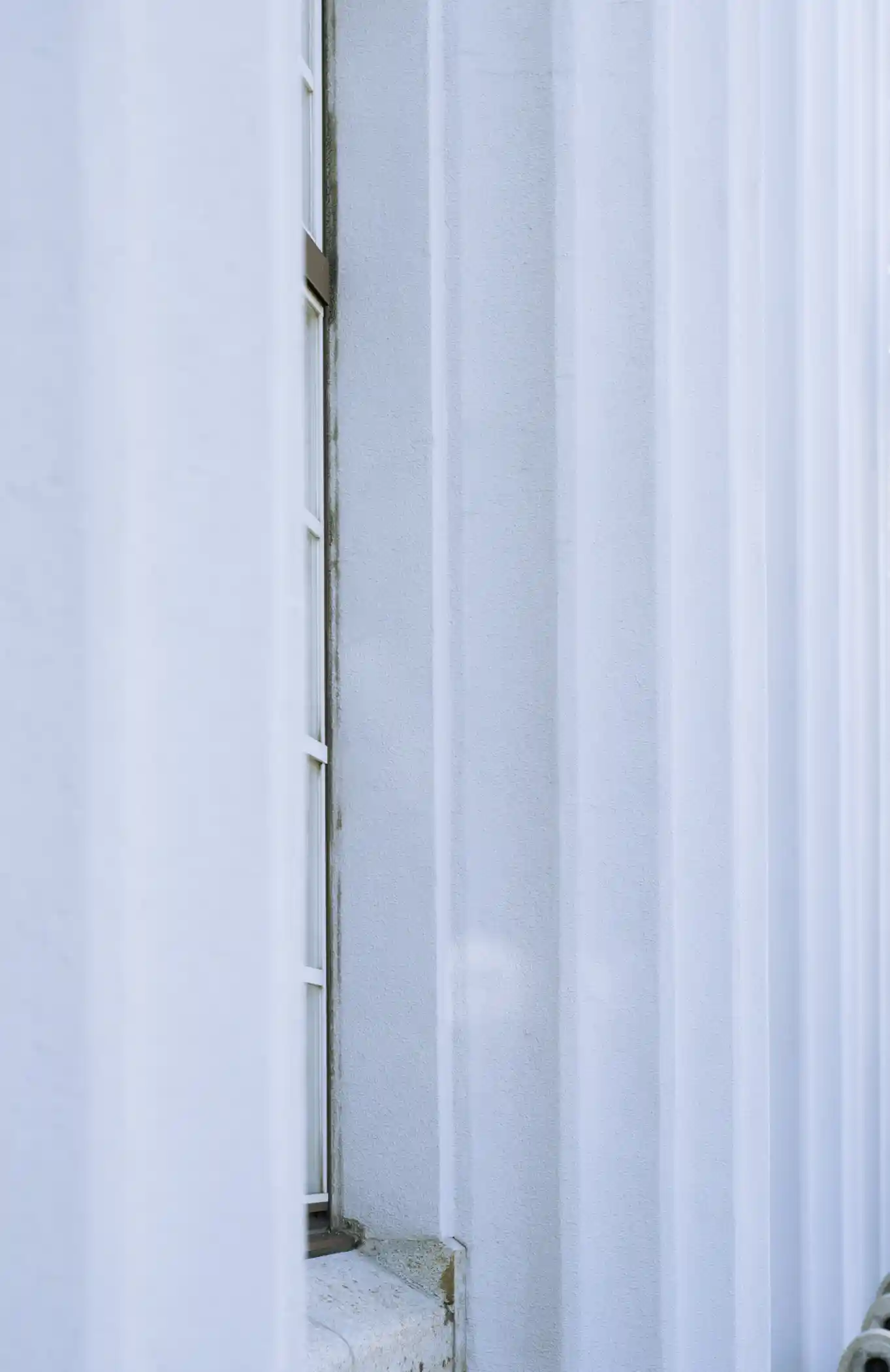
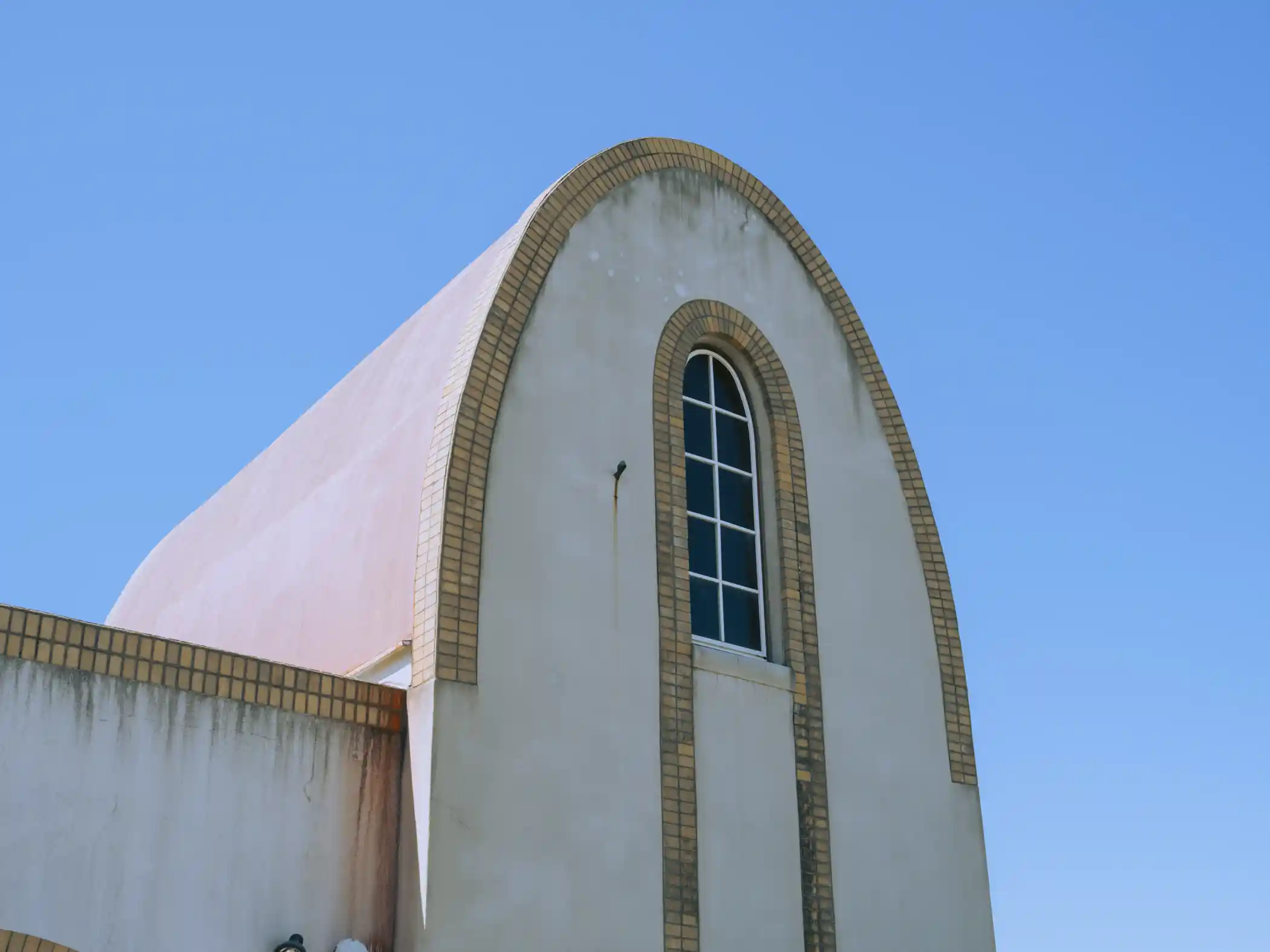
The exterior of the building is striking for its combination of vertical lines that emphasize height and the curves drawn on its tower and windows. The columns have no ornaments on their capitals, and their surfaces are carved with vertical grooves (fluting). Three types of columns of different heights stand in a row, in a composition that reads like a pared-down version of Renaissance architecture. The tower and windows feature parabolic arches, circles, and ellipses. It is a work of 1920s Japanese modern architecture with elements of the Bunriha Kenchikukai.
From a telephone office where operators worked to a cultural hub for citizens
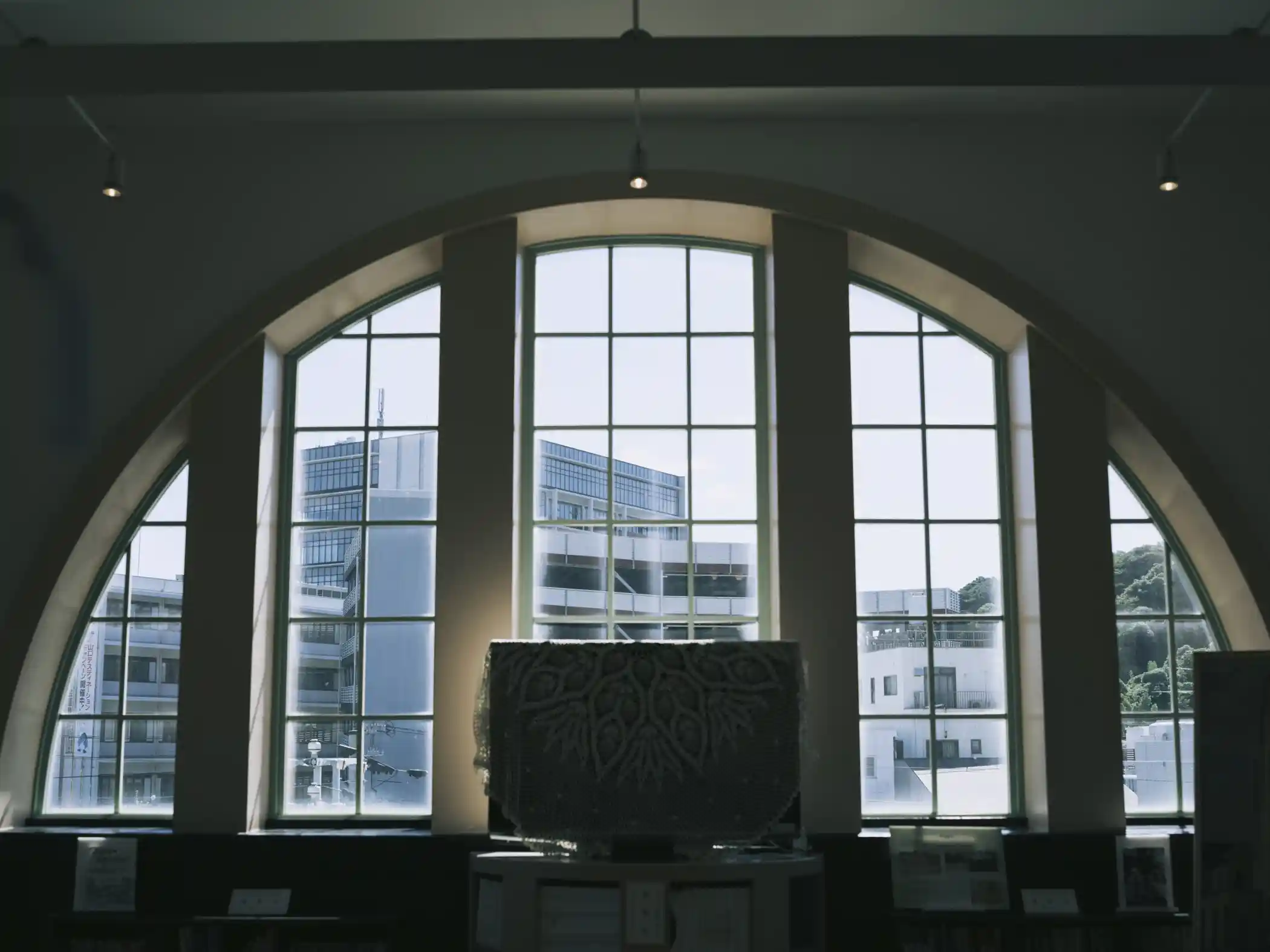
The building was built to handle telephone services in Shimonoseki during the Taishō era (1912–1926), when the telephone was spreading rapidly. It was also the workplace of the women who worked as telephone operators. After its role as a telephone office ended, it became the property of Shimonoseki City in 1969 and was used as an annex to City Hall, among other purposes. After renovation, it opened in February 2010 as the Tanaka Kinuyo Cultural Museum, named after the actress Tanaka Kinuyo, who had close ties to Shimonoseki. The museum also tells the story of working women, including the telephone operators.
Reading the building’s story with the curator
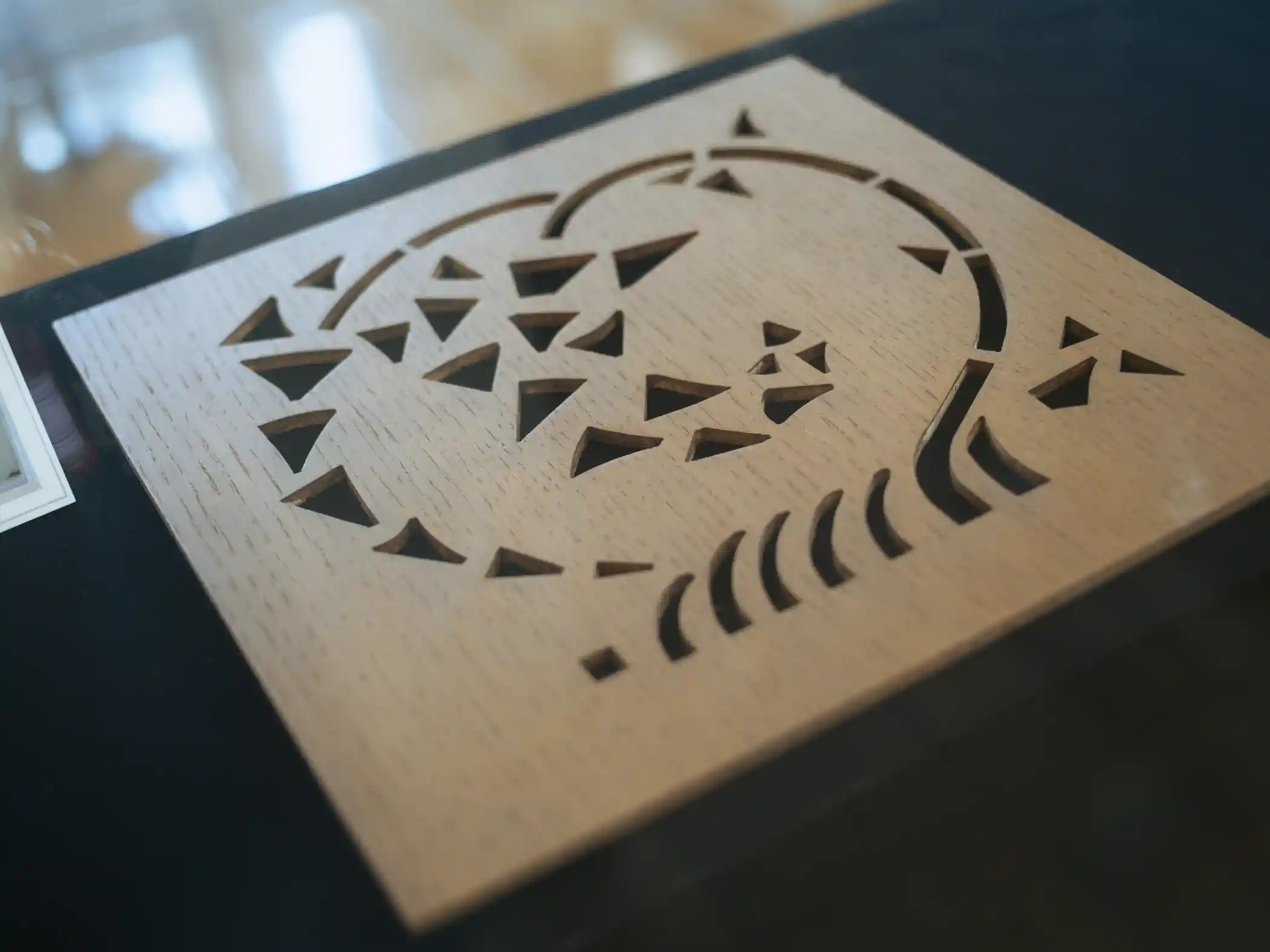
In this program, the curator of the Tanaka Kinuyo Cultural Museum guides you through the building. There are no specially opened areas, but the real interest of this building lies in details that people usually pass by without noticing: the curious ventilation grille in the ceiling of the first-floor elevator hall, combining triangles and curves; the tower drawn as a parabolic arch; the history of the women who worked as telephone operators. Listening to the curator, you will feel the telephone office of 100 years ago come much closer.