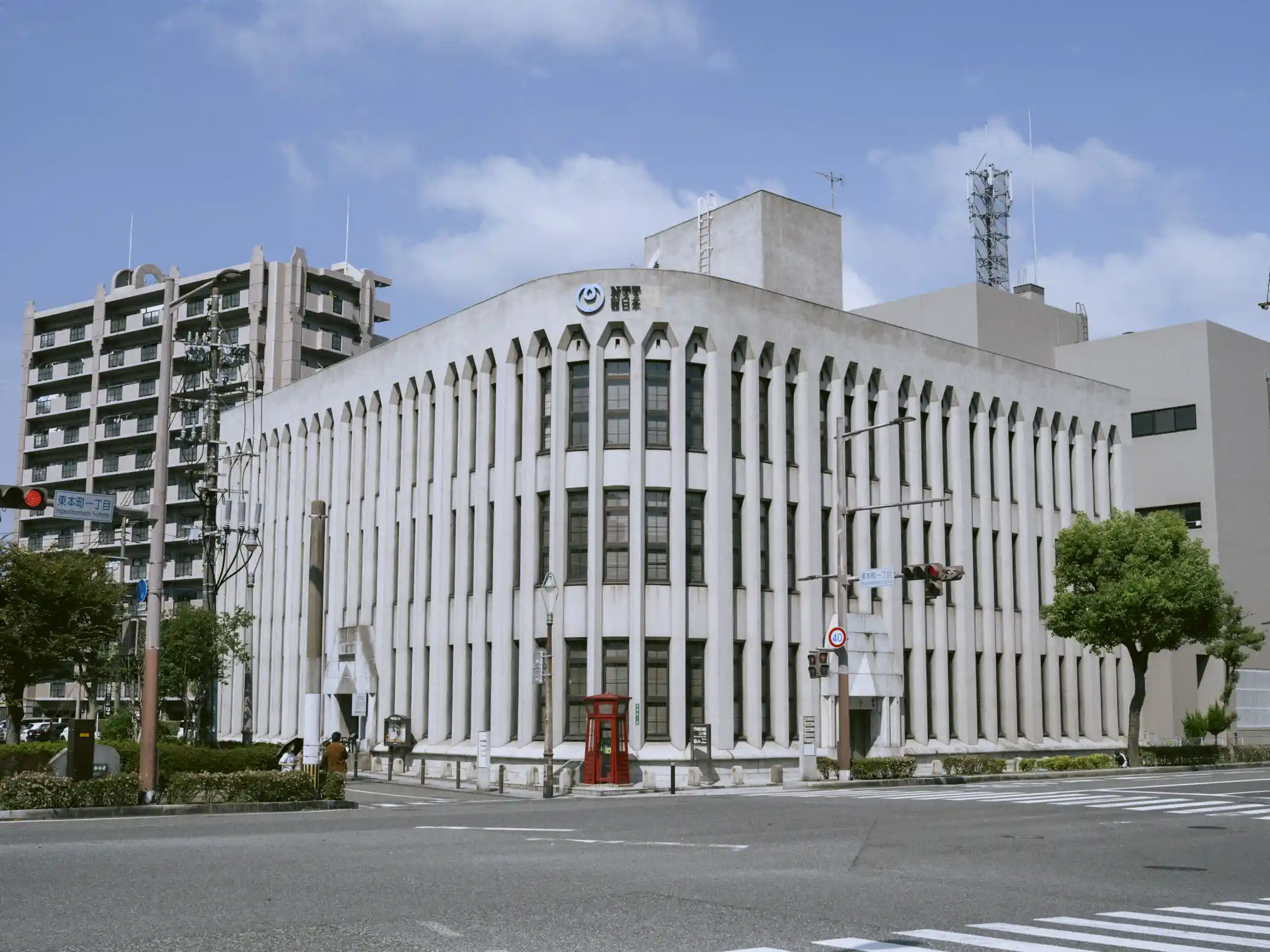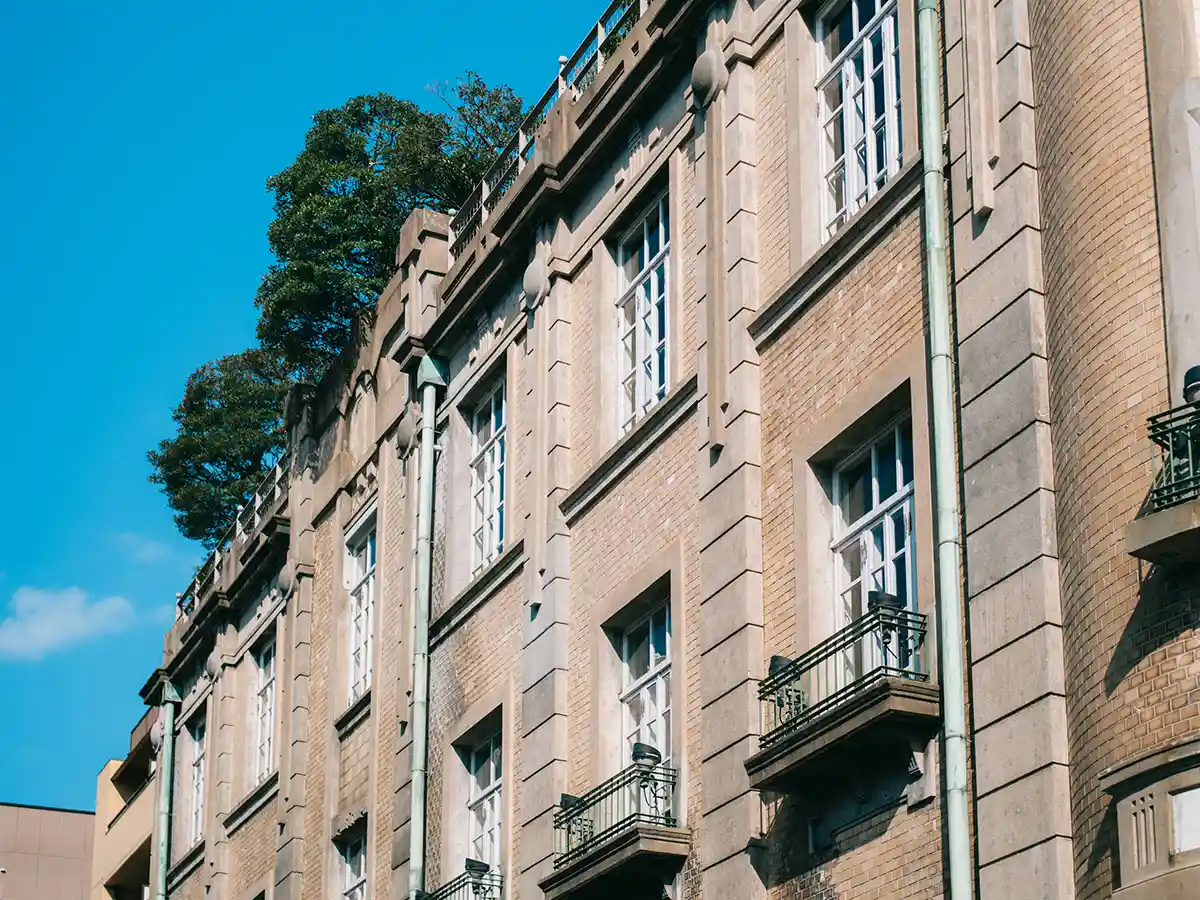
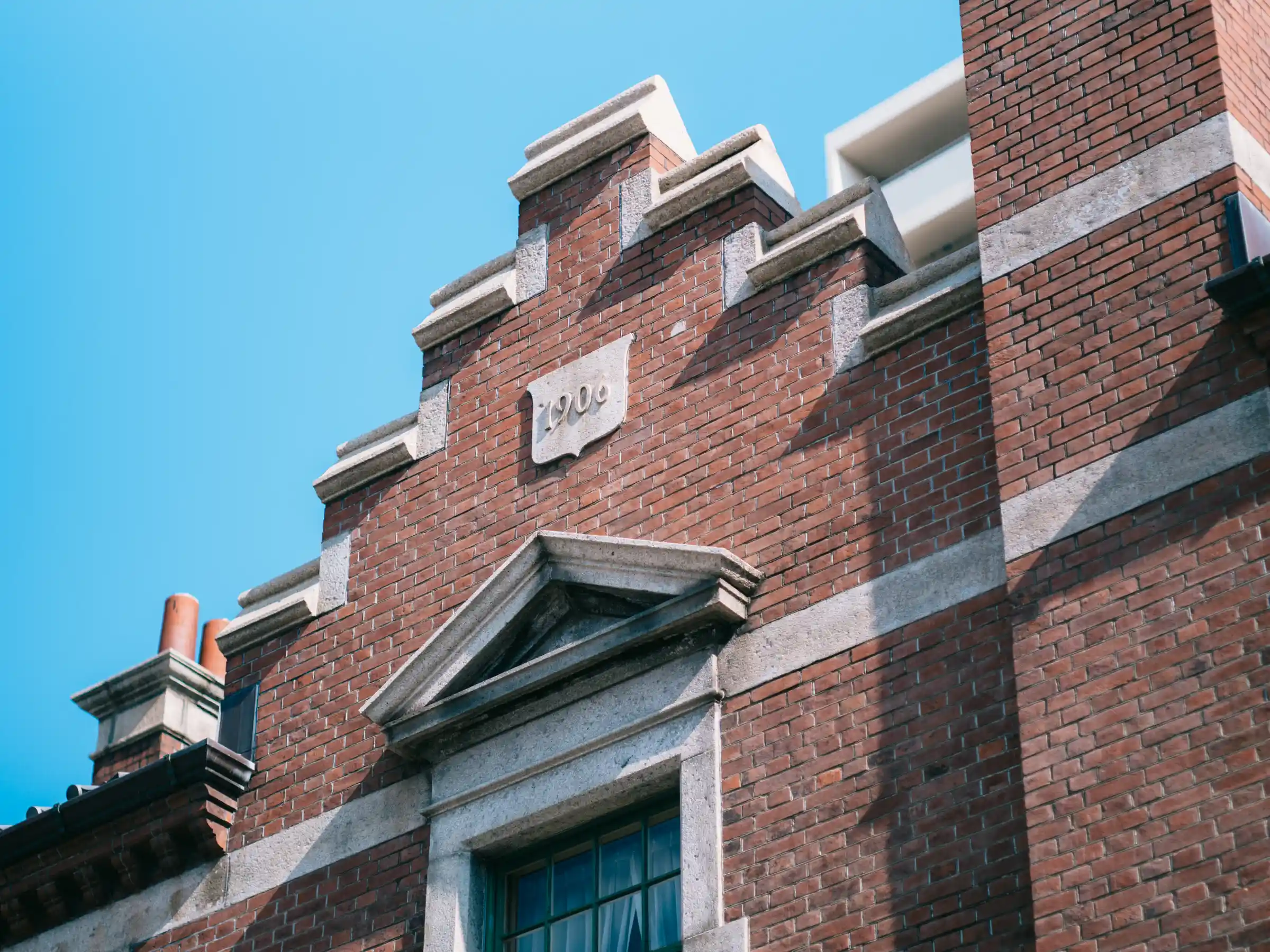
Honshu side or Kyushu side? For companies and government bodies in the late 19th and early 20th centuries, choosing where to open a branch was a major decision made with an eye to each town’s future. Through the examples of the British Consulate and the Yokohama Specie Bank, this column looks behind the scenes of those choices.
In the second half of the 19th century, as the shogunate gave way to a new government, Western culture flowed into Japan and the country was full of energy. Companies and government bodies set up branches and offices across the country.
A government facility or a major company’s branch opening in town had a great influence on how that city would develop. Moji and Shimonoseki face each other across the sea. Many companies hesitated over whether to place their branch on the Honshu side or the Kyushu side. They weighed not only the geographical differences, but also how each town was likely to develop in the future. Here are two examples of how organizations, after much deliberation, decided which side of the Kanmon area would host their branch or office.
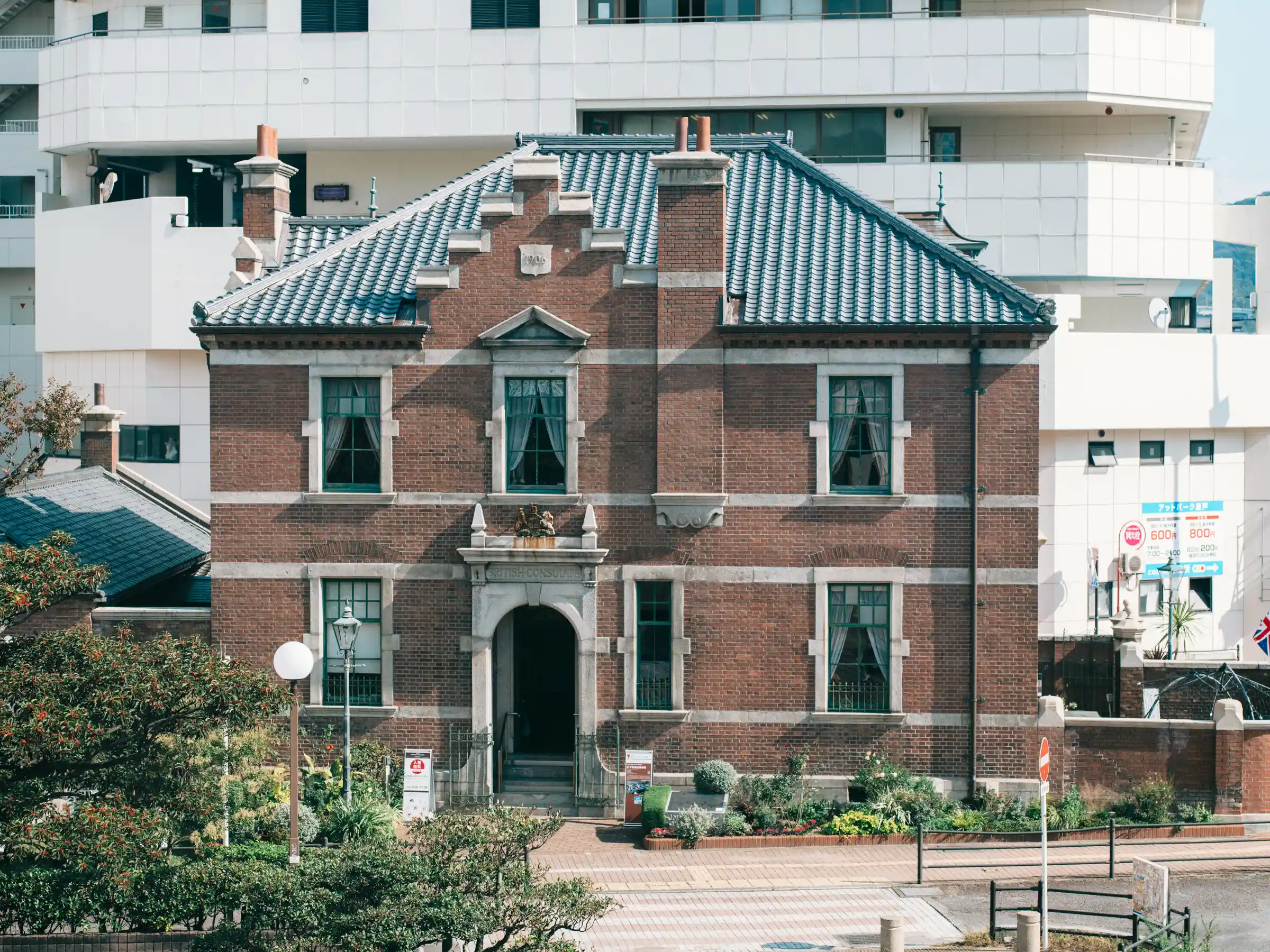
The deciding factor in building the Former British Consulate in Shimonoseki was a confidential document sent home to Britain by Ernest Satow, the British Minister to Japan. He wrote that “the ports of Moji and Shimonoseki, facing each other across the strait, are in effect a single harbor; a consul should be stationed at one of them, and shipping work for the protection of trade should be carried out at the other.”
With Akamagaseki City (today’s Shimonoseki) adopting the municipal system in 1889 and a waterworks project getting under way, Britain decided to place its consulate in Shimonoseki. The consulate opened in September 1901, and the building that stands today was completed in 1906. Moji, however, did not stay silent. Even after the decision was made, it kept petitioning Britain for a consulate. As a result, an office for shipping work was opened in 1903 near what was then Moji Station.
The Moji Branch of the Kitakyushu Bank was originally the Moji Branch of the Yokohama Specie Bank. Because the Yokohama Specie Bank dealt mainly in foreign exchange, it opened a branch in Moji, a highly international port.
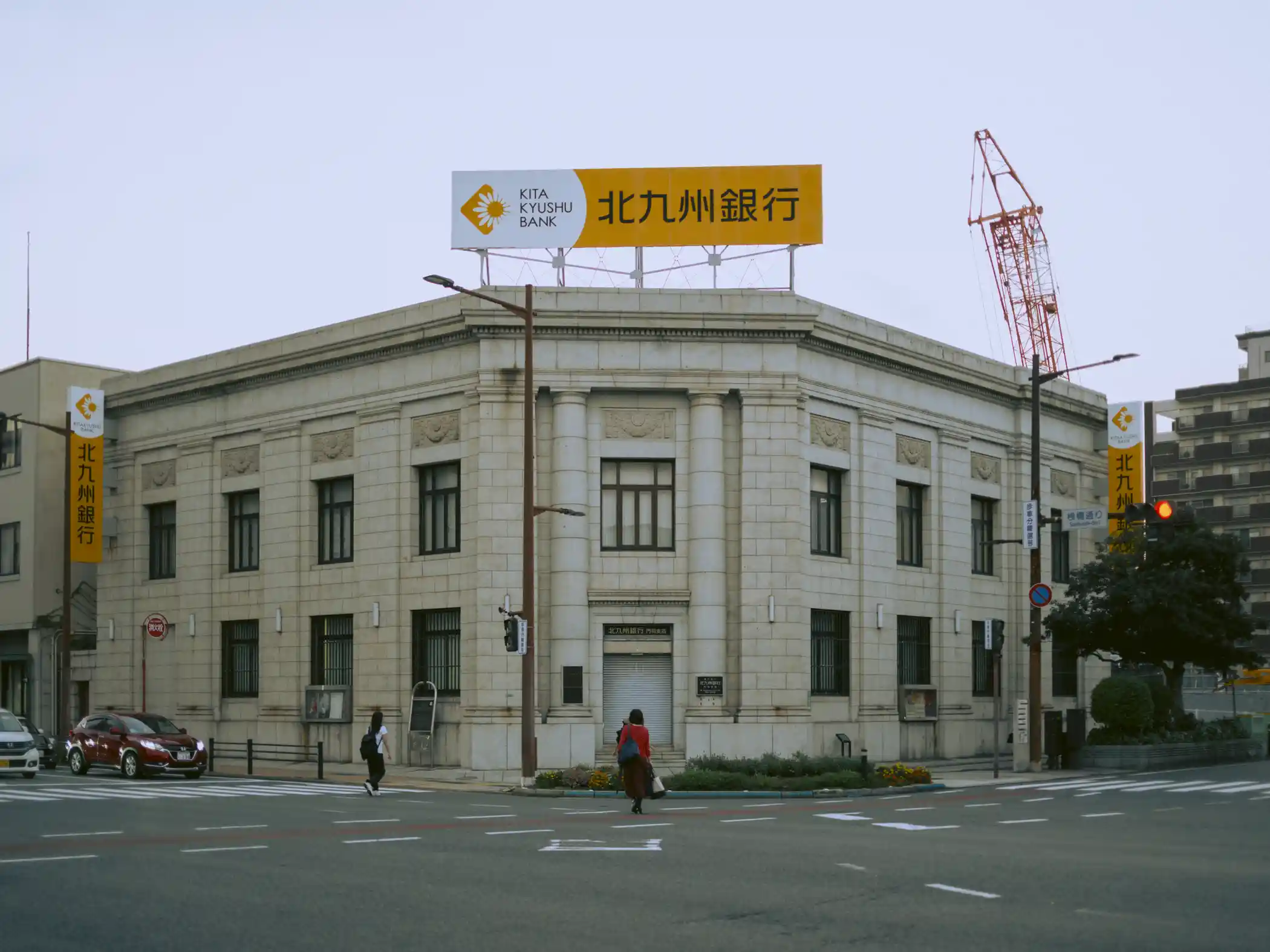
Another major factor was the opening of a Bank of Japan branch* in Moji. At the time, city banks such as Mitsui Bank and Sumitomo Bank relied on the credit of the Bank of Japan. In addition, Moji Port played a key role in coal shipping, and many trading companies and trade-related businesses gathered in the Kanmon area, driving up the demand for funds. Against this background, the Yokohama Specie Bank decided to open a branch in Moji. In this way, Moji grew into the leading financial center of Kyushu.
*The Bank of Japan’s Moji Branch was destroyed in an air raid in 1945 and no longer exists.
There are other examples of companies and government bodies being established on each side: two newspapers, the Kanmon Nichinichi (Shimonoseki) and the Moji Shimpo (Moji); the Shimonoseki Telegraph Office Telephone Exchange Building and the Moji Post Office Telephone Exchange Building; and the Moji and Shimonoseki customs houses. Moji or Shimonoseki—which to choose? Intriguing stories lie hidden in the development of these towns.